
Stop Wasting Money: The Only 3 PCB Types You’ll Ever Need (With Examples)
Every PCB ever made falls into 3 core categories: rigid, flexible, and rigid-flex. Rigid works for static devices, flex bends for wearables, rigid-flex combines both. Ignore the 10+ “special types” lists—99% of projects use one of these three.
If you’ve ever googled “PCB types,” you’ve probably landed on a page that lists 12, 15, even 20 different types. It’s overwhelming, and most of it is useless. I’ve been in this industry for 10 years, and I can count on one hand the number of times I’ve had to use something outside these three core categories.
The One You Use 80% of the Time: Rigid PCBs
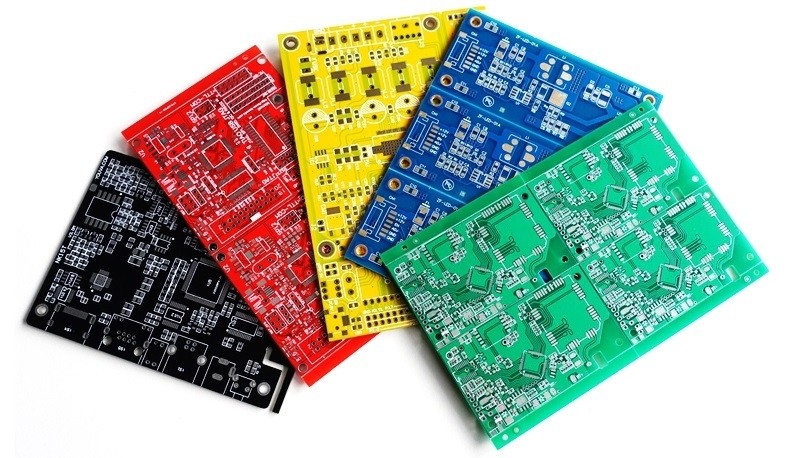
Rigid PCBs are the workhorses of the electronics industry. They’re made from fiberglass (usually FR4) and don’t bend at all. That makes them cheap, durable, and easy to manufacture at scale.
You see them everywhere: your computer’s motherboard, your TV’s main board, your power supply, your Wi-Fi router. If the device doesn’t need to bend or fold, it uses a rigid PCB.
If you’re still confused about the basic definition, check out our earlier post [What is the PCB board?].
Last quarter, a startup came to us with a prototype for a smart thermostat. Their previous supplier had quoted them aluminum-based PCBs, claiming better heat dissipation. We ran the numbers—their board only dissipated 2W of power. A standard 1.6mm FR4 rigid PCB worked perfectly, and cut their BOM cost by 32%. That’s the kind of unnecessary markup you get when people overcomplicate PCB types.
The Game-Changer for Wearables: Flexible PCBs
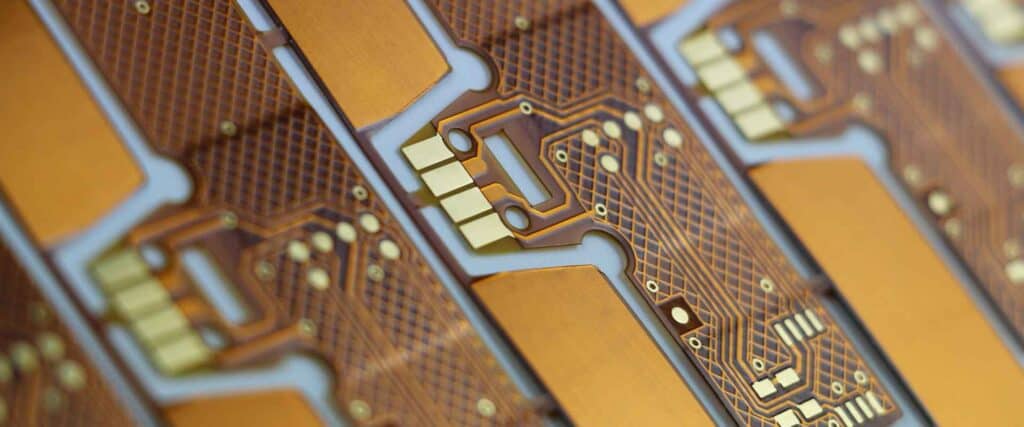
Flexible PCBs (or flex PCBs) are made from thin, bendable polyimide films. They can fold, twist, and bend into almost any shape.
Most people think flex PCBs are just for “cool” devices like foldable phones. But their real superpower is space savings. They eliminate the need for bulky connectors and cables, which is why they’re used in smart watches, wireless earbuds, and smartphone camera modules.
The biggest mistake new designers make with flex PCBs is over-bending them. Every flex PCB has a minimum bend radius. Go below that, and the copper traces will crack over time. I’ve seen entire batches of smart watches fail because someone bent the flex board 10 degrees too far during assembly.
The Middle Ground No One Talks About Enough: Rigid-Flex PCBs
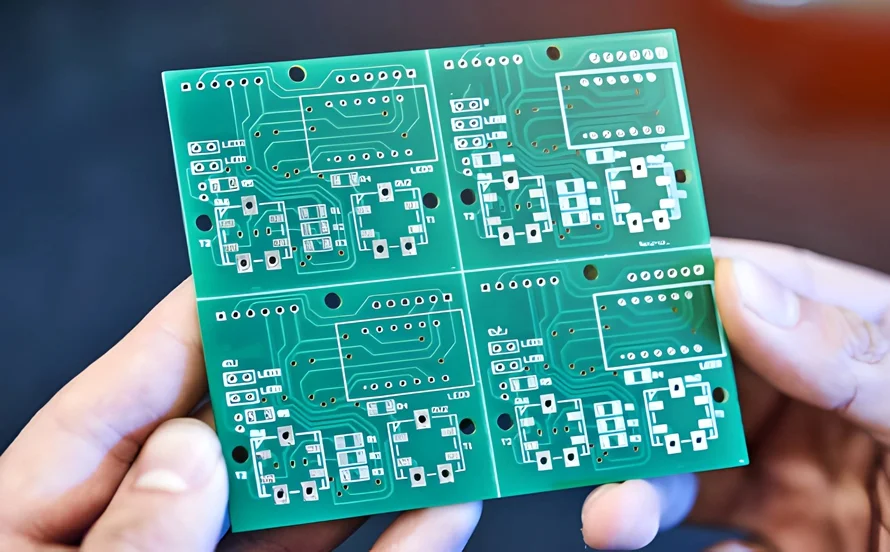
Rigid-flex PCBs are exactly what they sound like: a combination of rigid and flexible sections. They have solid rigid parts for mounting chips and connectors, and thin flexible parts that bend to connect different sections of the device.
This is the most underrated PCB type. A lot of people think it’s too expensive, but it often saves money in the long run. It eliminates loose connectors, reduces assembly time by 20-30%, and makes the final product far more resistant to vibration and shock.
You’ll find rigid-flex PCBs in drones (where weight and reliability are critical), medical endoscopes (which need to bend inside the body), and automotive ADAS systems (which have to fit into tight engine compartments).
Core Differences Between the 3 PCB Types
| Category | Base Material | Bendability | Typical Thickness | Relative Cost | Best Use Cases | Common Mistakes |
|---|---|---|---|---|---|---|
| Rigid | FR4 fiberglass | None | 0.8mm – 3.2mm | Low | Static devices, motherboards, power supplies | Overspecifying thickness or high-Tg material |
| Flexible | Polyimide film | Unlimited (within bend radius) | 0.1mm – 0.5mm | Medium-High | Wearables, foldable devices, camera modules | Bending below minimum radius; under-sizing copper traces |
| Rigid-Flex | FR4 + Polyimide | Partial (only designated flex sections) | 0.8mm – 2.0mm | High | Drones, medical devices, automotive electronics | Using it for simple designs; ignoring flex zone layout |
2026 Industry Shift: Rigid-Flex Goes Mainstream
2026 industry projections from IPC show rigid-flex PCB adoption will surge 42% year-over-year, led by automotive ADAS sensor modules and portable medical diagnostic devices. At JKR, we’ve already seen a 30% jump in rigid-flex PCBA orders in the first quarter of 2026, as manufacturers realize it cuts total assembly time by 25% and reduces field failure rates by 18% by eliminating loose connectors.
The days of rigid-flex being a “premium” option are over. For any complex device with multiple moving parts, it’s now the default choice.
Real Questions, Real Answers
Q: Why do some suppliers list 10+ PCB types? Are they lying?
A: They’re not lying, just selling you unnecessary complexity. Most of those “types” are just variations of the three core ones. Aluminum-based is a rigid PCB with a metal core. High-frequency is a rigid PCB with a special dielectric material. They rebrand them to charge more. Stick to the three basics first, and only branch out if you have a specific technical requirement that can’t be met otherwise.
Q: Which type is the “best” overall?
A: There is no best. There’s only the right one for your project. I’ve seen $100k medical devices fail because someone used flex where rigid would work, and $5 consumer products fail because someone cheaped out on rigid-flex. Match the PCB type to your mechanical constraints and production volume, not the marketing hype.
If you’re staring at a design file and still not sure which PCB type to pick, send it over to us. We’ll look at your mechanical specs, volume, and budget, and give you a straightforward recommendation—no upsells, no confusing jargon. You can submit your files through our official website: https://jkrglo.com/
Drop us an email at wm-sales-01@jkr-pcba.com or fill out the form on our website. We’ll get back to you right away.
About US
Founded in 2012, JKRGLO strives to build a one-stop platform for the electronic industry chain. By integrating PCB manufacturing, component procurement and PCB assembly services, we enable digital PCBA processing. With increasing investment in innovation and digital systems, we have achieved rapid growth and emerged as a leading PCB and PCBA manufacturer in the industry, capable of rapidly producing high-reliability and cost-effective products.