
What Does PCBA Mean? Stop Guessing—Here’s What Actually Matters For Your Product
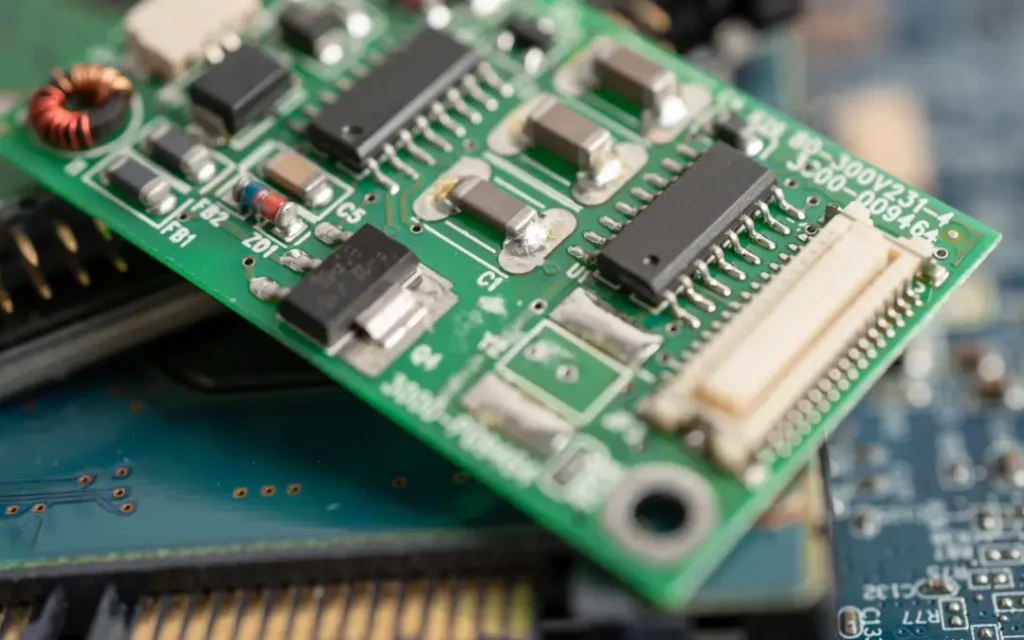
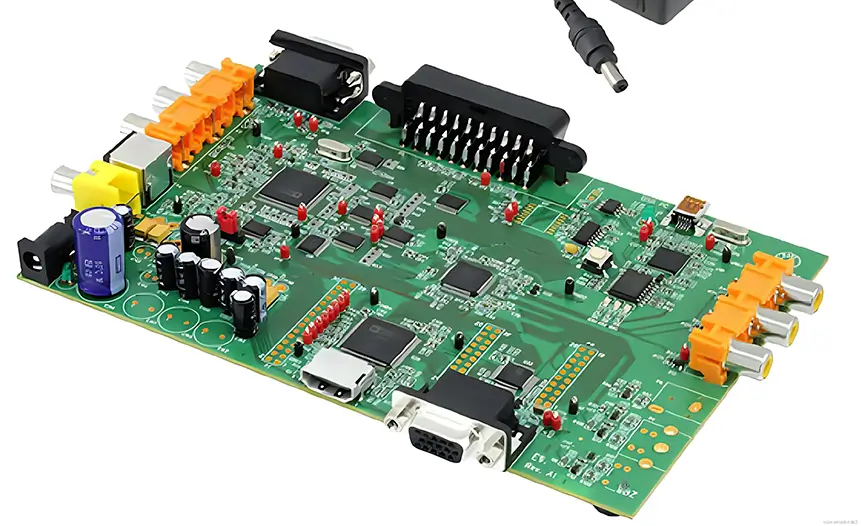
TL;DR: PCBA stands for Printed Circuit Board Assembly. It’s the process of soldering electronic components onto a bare PCB to create a functional circuit board. If your product has any electronics, PCBA is the step that turns a green fiberglass board into the brain of your device.
Why Most People Get PCBA Wrong
I’ve sat through hundreds of client meetings. Nine times out of ten, when someone asks “What does PCBA mean?” they’re really asking “Why is this part so expensive?” or “Why does it take so long?”
Most people think PCBA is just “sticking parts on a board.” They see it as a commodity service, something you can shop around for the cheapest price. That’s a mistake that has killed more products than bad design ever did.
Last year, a startup came to me in a panic. They’d found a “bargain” PCBA shop that quoted 30% less than everyone else. Their first production run arrived, and 70% of the boards didn’t work. The shop had used counterfeit components, skipped critical testing steps, and even soldered some parts backwards. Fixing that mess cost them six months of development time and almost put them out of business.
PCBA isn’t just assembly. It’s quality control. It’s supply chain management. It’s the difference between a product that works reliably for years and one that dies in the customer’s hands.
The Truth From The Factory Floor
I spend about a third of my time on production floors. What you see there will change how you think about electronics manufacturing forever.
A good PCBA technician can spot a bad solder joint from across the room. They know which components are prone to failure, which suppliers cut corners, and which design choices will make assembly a nightmare. That’s why I always tell my clients to involve their PCBA partner early in the design process.
If you’re still designing your board, read our guide on [What is PCBA design?] before you send anything to manufacturing. A small design change can cut your assembly costs by 50% and double your yield.
PCB vs PCBA: Stop Confusing The Two
This is the single most common question I get. Let’s settle it once and for all.
| Feature | PCB (Printed Circuit Board) | PCBA (Printed Circuit Board Assembly) |
|---|---|---|
| What it is | Bare fiberglass board with copper traces | Fully assembled board with all components |
| Function | Provides electrical connections between components | Performs the actual electronic functions |
| Components | None | Resistors, capacitors, ICs, connectors, etc. |
| Cost | Lower | Higher (includes PCB cost + components + labor + testing) |
| Lead time | 1-5 days | 2-4 weeks (depending on complexity) |
| Testing | Basic continuity test | Functional test, in-circuit test, burn-in test |
Think of it this way: a PCB is like a blank sheet of music. A PCBA is the orchestra playing that music. One is useless without the other, but they’re not the same thing.
2026 PCBA Trends: What’s Actually Coming
I don’t believe in hype. But I do pay attention to what’s happening on the factory floors right now.
By the end of 2026, we’ll see 40% more PCBA shops using AI-powered optical inspection systems. These systems can detect defects that human inspectors miss 90% of the time, and they work 24/7 without getting tired. This will drive up quality across the industry, but it will also put pressure on smaller shops that can’t afford the new equipment.
We’re also seeing a massive shift towards domestic manufacturing in North America and Europe. After the supply chain chaos of the past few years, more companies are willing to pay a 15-20% premium for faster lead times and better quality control.
Real Questions, Real Answers
These are the two questions clients ask me most often, but almost no one talks about publicly.
Q: Is it really worth paying more for a “premium” PCBA shop?
A:Yes. But only if they actually deliver premium service. A good PCBA partner will catch design flaws before production, source genuine components, and test every board thoroughly. A bad one will cost you more in rework, delays, and lost customers than you ever saved on the initial quote.
The sweet spot is usually not the cheapest or the most expensive shop. Look for one that specializes in your product type and volume, and ask for references from similar companies.
Q: Can I save money by assembling the boards myself?
A:For prototypes, maybe. For production, almost never.
I’ve seen engineers spend weeks hand-assembling 100 boards, only to have 30% of them fail. Professional assembly equipment costs hundreds of thousands of dollars, and the technicians who operate it have years of training. You’ll never match their speed, accuracy, or consistency.
Your time is better spent designing a better product and finding customers. Leave the assembly to the people who do it every day.
Ready To Get Started?
If you’re still asking “What does PCBA mean?” and need help with your next project, we’re here for you. We’ve been doing this for 10 years, and we’ve seen every mistake in the book.
Send us your design files, and we’ll give you a honest, no-nonsense quote within 24 hours. No hidden fees, no fine print, just straightforward advice from people who actually know what they’re doing.
Drop us an email at wm-sales-01@jkr-pcba.com or fill out the form on our website. We’ll get back to you right away.
About US
Founded in 2012, JKRGLO strives to build a one-stop platform for the electronic industry chain. By integrating PCB manufacturing, component procurement and PCB assembly services, we enable digital PCBA processing. With increasing investment in innovation and digital systems, we have achieved rapid growth and emerged as a leading PCB and PCBA manufacturer in the industry, capable of rapidly producing high-reliability and cost-effective products.