
4 Types of QC: Stop Wasting Money on the Wrong Quality Checks

The 4 core types of QC are incoming inspection, in-process inspection, final inspection, and outgoing audit. Most factories only do 2 of them well, which is why 30% of PCBA orders end up with hidden defects that cost you 2-5x more in rework.
Let’s cut through the noise and answer the question everyone’s asking: What are the 4 types of QC? They’re not random categories some consultant made up. They’re the four non-negotiable checkpoints you need at every stage of production to catch defects before they sink your project.
I’ve been doing this for 10 years, and I’ve cleaned up enough messes to know. Last year, a German automotive electronics client came to me furious. They’d paid a cheap factory $80,000 for 10,000 PCBA, and hired a third party to do final inspection. The third party signed off on everything. But when the boards hit their assembly line, 800 of them had BGA voids that caused intermittent failures. The rework cost them 120,000 euros, and they missed their new model launch date by 6 weeks.
They asked me how this happened. I told them the truth: the third party only did a visual check. BGA voids are invisible to the naked eye. And the factory had skipped every single QC step before final inspection.

The Gatekeeper No One Cares About: Incoming Inspection
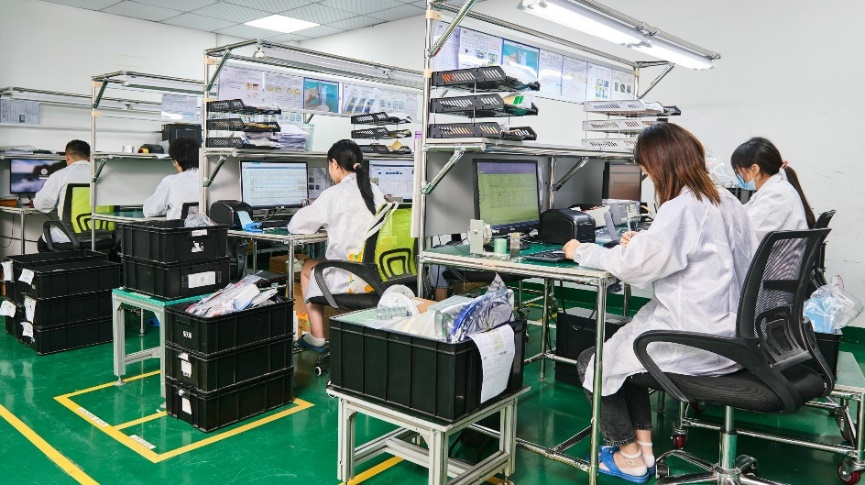
This is the first line of defense, and the one most factories skip to save a few bucks. Incoming inspection means checking every single batch of components and bare PCBs before they touch your production line.
Most factories just count the boxes and sign off. But a single bad batch of capacitors or resistors can ruin an entire production run. I once saw a factory throw away 50,000 finished PCBA because they didn’t test a batch of counterfeit ICs that came in. That’s a $250,000 mistake that could have been caught with a $500 incoming test.
pcb Incoming Inspection

The Most Underrated Step: In-Process Inspection
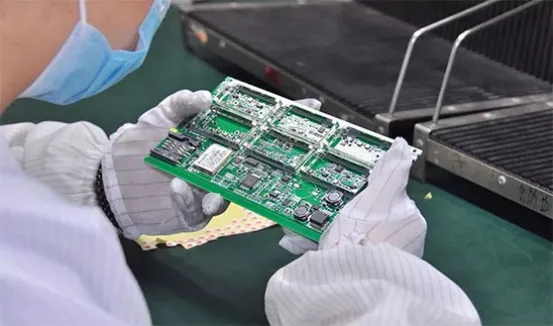
This is where 90% of defects are caught, and where most factories cut corners to meet deadlines. In-process inspection happens after every major production step: after SMT placement, after reflow soldering, after DIP assembly.
The best factories run 100% AOI (Automated Optical Inspection) after SMT, plus manual spot checks. But many factories will turn off the AOI alarm when they’re behind schedule, or skip the manual checks entirely. That’s how you end up with 10% of your boards having missing components or cold solder joints.
For a full breakdown of every test we run to catch these hidden defects, read our guide [What are the 7 types of PCB testing methods?]. It covers exactly which tests you need for automotive, medical, and industrial applications.
pcb In-Process Inspection

The One Everyone Overdoes: Final Inspection

Final inspection is the step everyone knows about. It’s where you check that every board works, looks right, and meets your specifications.

Here’s the dirty secret: most people overdo the wrong parts. They spend 80% of their time checking for minor cosmetic flaws that don’t affect functionality, and only 20% running functional tests. I’ve seen customers reject entire batches because of a tiny scratch on the PCB, while missing 5% of boards that don’t turn on.

The Final Safety Net: Outgoing Audit

This is the step almost no one does, and it’s the reason you get orders with the wrong labels, missing parts, or damaged packaging. Outgoing audit is not the same as final inspection. It’s simulating exactly what your customer will do when they receive the shipment.

You open random boxes, check the quantity, verify the labels, and make sure the packaging is adequate for shipping. I once had a client who received 5000 PCBA packed in bubble wrap instead of anti-static bags. Every single board was damaged by static electricity. That’s a $40,000 mistake that a 10-minute outgoing audit would have caught.

Core Differences Between the 4 QC Types

QC Type Core Purpose What We Check Optimal Sampling Rate Most Common Mistake Cost Impact of Skipping
Incoming Inspection Stop bad materials before production Components, bare PCBs, authenticity 10% standard, 100% critical parts Only counting quantity 10x rework + production delays
In-Process Inspection Fix defects immediately SMT placement, soldering, DIP 100% AOI + 5% manual spot check Skipping to meet deadlines 5x rework + scrap
Final Inspection Verify product meets specs Function, appearance, labeling 100% functional + 10% appearance Over-focusing on cosmetics 2x customer return cost
Outgoing Audit Ensure correct delivery Packaging, shipping marks, quantity 5% of total order Forgetting paperwork checks 1x re-shipping + lost trust

2026 QC Trend: AI Takes Over In-Process Inspection

By 2026, AI-powered AOI systems will handle 60% of all in-process inspection tasks in mid-to-large PCBA factories. We started testing these systems at JKR last year, and they now catch 92% of SMT defects, compared to 67% for human inspectors. They also work 24/7 without getting tired or making mistakes.
That said, don’t believe the hype that robots will replace all QC workers. AI still can’t spot counterfeit components, or run complex functional tests that require human judgment. The best factories will use AI to handle the repetitive, boring tasks, and let human inspectors focus on the high-risk work.

Real Questions, Real Answers

Q: If I hire a third-party to do final inspection, can I skip the factory’s internal QC?
A: Absolutely not. Third-party inspectors only see what’s in front of them. They don’t know if the factory skipped incoming inspection, or if the SMT line was running 20% faster than it should have been to meet your deadline.
Last year, a medical client paid $5,000 for a third-party inspection that passed a batch of 5,000 PCBA. When they got to the US, 12% of them failed functional testing. The third party didn’t run the right tests—they just did a visual check. The only way to guarantee quality is to work with a factory that does all 4 QC steps as standard, not as an add-on.
Q: Which QC step can I safely skip to save money?
A: None. But you can prioritize. If you’re making low-volume consumer electronics, you can reduce outgoing audit sampling to 2%. But if you’re making automotive or medical parts, you need 100% of all four steps.
The worst mistake you can make is skipping incoming inspection. A single bad batch of capacitors can cost you more than the entire order. I’ve seen small companies go out of business because they skipped this step to save 1% of their production cost.
If you’re tired of dealing with factories that cut corners on QC and leave you holding the bag, send us your Gerber and BOM files today. You can reach us at wm-sales-01@jkr-pcba.com, or visit https://jkrglo.com to get a free, no-obligation quote. We’ll walk you through exactly what QC steps we’ll take for your project, no jargon, no hidden fees.

About US

Founded in 2012, JKRGLO strives to build a one-stop platform for the electronic industry chain. By integrating PCB manufacturing, component procurement and PCB assembly services, we enable digital PCBA processing. With increasing investment in innovation and digital systems, we have achieved rapid growth and emerged as a leading PCB and PCBA manufacturer in the industry, capable of rapidly producing high-reliability and cost-effective products.
 

Table of Contents

滚动至顶部